

Introduction
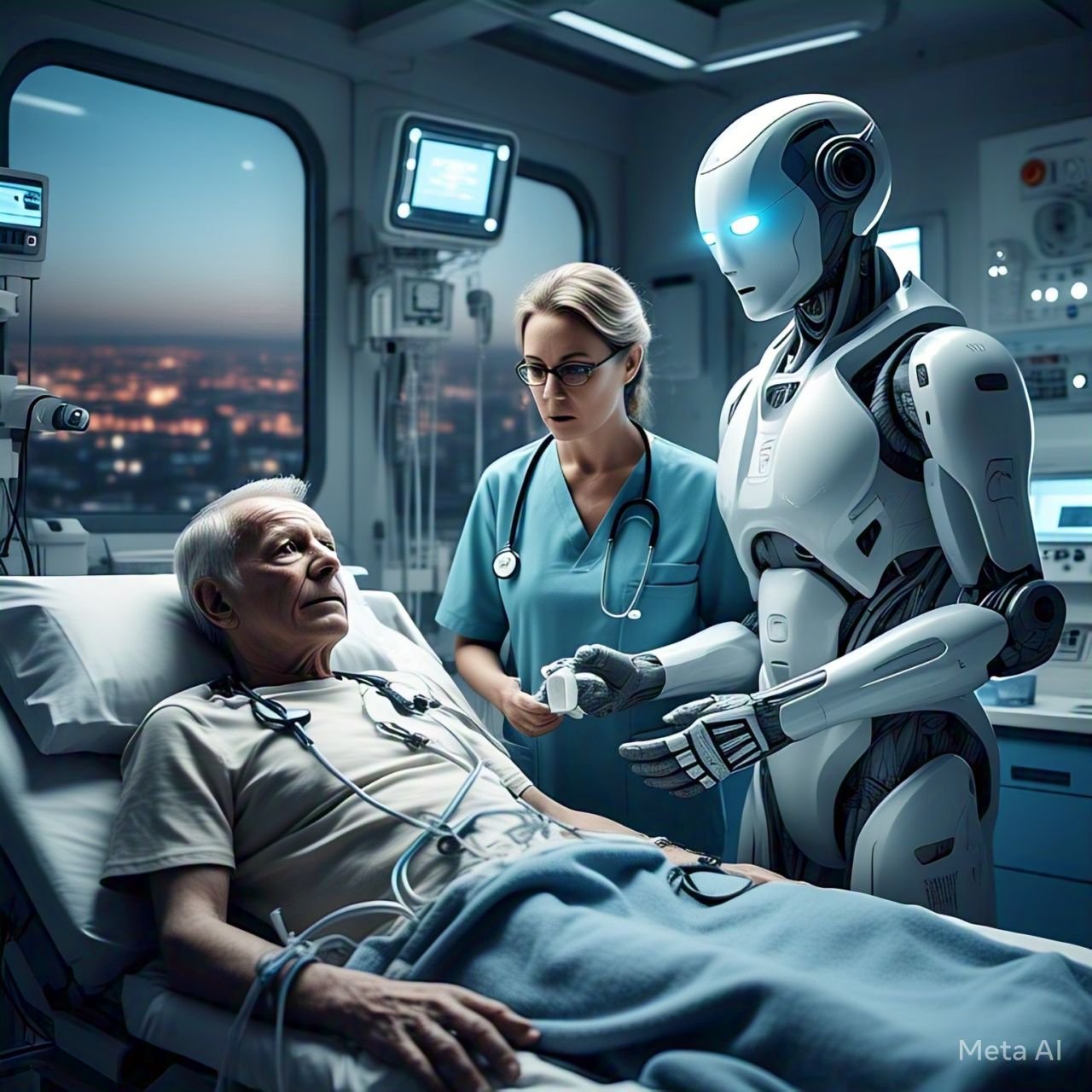
Artificial Intelligence (AI) is revolutionizing industries worldwide, and the medical sector is no exception. With the ability to analyze vast amounts of data, make accurate diagnoses, and even assist in surgeries, AI is transforming healthcare in ways we never imagined. But how exactly will AI shape the future of the medical field? In this article, we explore the significant ways AI will impact healthcare, its benefits, challenges, and what we can expect in the coming years.
1. AI in Medical Diagnosis
One of the most critical applications of AI in healthcare is medical diagnosis. AI-powered systems can analyze medical images such as X-rays, MRIs, and CT scans with incredible accuracy.
Benefits:
- Early Disease Detection: AI can detect diseases like cancer at an early stage, increasing survival rates.
- Speed and Efficiency: AI can analyze scans in seconds, reducing wait times for patients.
- Higher Accuracy: AI reduces human error, ensuring more reliable diagnoses.
For example, Google’s DeepMind has developed AI models that can detect eye diseases and breast cancer more accurately than human doctors.
2. AI-Powered Robotic Surgery
Robotic-assisted surgeries are becoming increasingly common, with AI playing a crucial role in enhancing precision.
Benefits:
- Minimally Invasive Procedures: AI-driven robots can perform complex surgeries with small incisions, leading to faster recovery times.
- Improved Precision: AI algorithms guide robotic arms, reducing errors during surgery.
- Remote Surgery Possibilities: Surgeons can operate on patients in different locations using AI-powered robotic systems.
The da Vinci Surgical System is a great example of AI-driven robotic surgery, helping surgeons perform delicate procedures with enhanced precision.
3. AI in Drug Discovery and Development
Developing new medicines is time-consuming and expensive. AI is helping pharmaceutical companies speed up this process.
Benefits:
- Faster Drug Discovery: AI can analyze millions of compounds quickly, identifying potential drugs.
- Lower Research Costs: AI reduces the need for expensive lab testing.
- Personalized Medicine: AI helps create treatments tailored to an individual’s genetic makeup.
For instance, AI helped researchers develop COVID-19 vaccines faster than ever before by analyzing vast amounts of data efficiently.
4. AI in Patient Care and Monitoring
AI-powered healthcare apps and devices are changing the way patients receive care.
Benefits:
- Virtual Health Assistants: Chatbots and AI apps provide medical advice and reminders.
- Wearable Health Devices: Smartwatches and fitness trackers use AI to monitor heart rate, sleep, and oxygen levels.
- Predictive Health Analysis: AI can warn patients about potential health risks based on their data.
For example, Apple Watches and Fitbit devices use AI to detect irregular heartbeats, potentially saving lives.
5. AI in Administrative Tasks
Hospitals and clinics are often overwhelmed with paperwork and administrative work. AI is helping to streamline these tasks.
Benefits:
- Automated Scheduling: AI can manage patient appointments efficiently.
- Medical Billing and Insurance Processing: AI reduces errors in billing and speeds up insurance claims.
- Data Management: AI helps hospitals store and analyze patient records securely.
This allows healthcare professionals to focus more on patient care rather than paperwork.
6. Challenges and Ethical Concerns
Despite its benefits, AI in healthcare comes with challenges.
Challenges:
- Data Privacy Issues: AI requires large amounts of patient data, raising privacy concerns.
- High Implementation Costs: Setting up AI-powered healthcare systems is expensive.
- Job Displacement: Some fear that AI will replace human healthcare workers.
Ethical Concerns:
- Bias in AI Algorithms: AI systems can sometimes be biased if not trained with diverse data.
- Doctor-Patient Relationship: Will patients trust AI more than human doctors?
- Regulatory Issues: Governments need clear policies for AI use in healthcare.
7. The Future of AI in Healthcare
Looking ahead, AI will continue to shape the medical industry in exciting ways:
- AI and Genomics: AI will help in understanding human DNA better, leading to new treatments.
- AI-Powered Hospitals: Smart hospitals with AI-driven automation will become the norm.
- Global Access to Healthcare: AI can help provide medical services to remote areas where doctors are scarce.
AI is undoubtedly changing the future of the medical sector. From faster diagnoses and robotic surgeries to personalized medicine and virtual assistants, AI is making healthcare more efficient and accessible. While challenges exist, the benefits far outweigh the risks. As technology continues to evolve, AI will play an even more significant role in improving global healthcare, ultimately saving millions of lives.
AI in healthcare is not just the future—it’s happening right now!