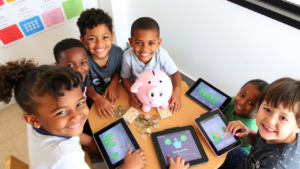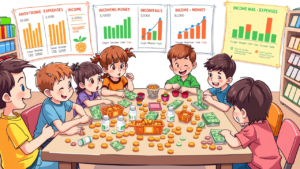


Are you wondering how to teach your child about money? Starting early is the best way to help your kids grow into smart and responsible adults. In this article, we will explain how to teach your child basic money concepts in simple steps. If your child is around 10 to 17 years old, this guide is perfect for you.
Why Is It Important to Teach Kids About Money?
Money is a part of everyday life. Kids see adults buying groceries, paying bills, or using debit cards. But do they understand what’s happening?
Teaching children basic money concepts helps them:
- Understand the value of money
- Learn how to save and spend wisely
- Become more confident with financial decisions in the future
What Are Basic Money Concepts?
Here are the key money concepts every child should learn:
- What Is Money?
Start by explaining:
- What money is used for (buying goods and services)
- Different types of money: coins, paper notes, and digital money (like UPI or cards)
Let your child hold different coins and notes. You can also show them how you use mobile apps for payments.
- Needs vs Wants
This is one of the most important lessons.
Needs are things we must have to live (like food, water, clothes, shelter).
Wants are things we would like to have (like toys, video games, chocolates).
Teach your child to ask:
“Do I really need this, or do I just want it?”
- Earning Money
Help your child understand that people earn money by working.
You can explain:
- What you do for a living
- How different jobs earn different amounts
- How kids can earn pocket money by doing small tasks at home
You can also introduce the idea of entrepreneurship (like selling homemade crafts or lemonade).
- Saving Money
Teach them that it’s not smart to spend all the money at once.
Introduce these tools:
- A piggy bank or money jar
- A savings box with labels like “Save,” “Spend,” and “Share”
Explain how saving helps them buy bigger things later, like a bicycle or a game.
- Spending Wisely
Let your child practice spending their own money.
Take them shopping and show them:
- How to compare prices
- How discounts work
- How to look for value instead of just brand names
This teaches decision-making and responsibility.
Bonus Tip: Introduce the Idea of a Bank
Once your child understands savings, you can explain how a bank works.
Tell them:
- A bank is a safe place to keep money
- The money can grow over time (interest)
- You can use cards or apps instead of cash
If possible, open a kids’ savings account and show them how to deposit or check their balance.
Fun Ways to Teach Money Concepts
Learning money doesn’t have to be boring! Try these fun methods:
- Play board games like Monopoly or The Game of Life
- Role-play games like running a pretend store
- Use stories or cartoons that talk about money
- Create a savings chart for a goal (like buying a toy)
Final Thoughts: Start Small, Be Consistent
Teaching kids about money is not a one-time lesson. Start small and keep talking about it in daily life.
Give your child real experiences, like managing pocket money or buying a gift. With time, they will develop good money habits that last a lifetime.